

Myth vs Reality
The facts behind the fear
There are honest questions about SAFEC+, and we believe in full transparency. Here are the facts versus the fear.

Wait Times
Critics say universal coverage means endless lines.
Americans already wait in-network, wait on prior authorization, and wait because care is unaffordable. SAFEC+ removes network gates for essential care, bans deductibles, and caps copays. It also expands capacity through tuition support, service scholarships, and structured loan relief, and it requires data systems readiness, incremental deployment, and certification before full rollout.

Loss of Choice
They say the government will choose your doctor.
Today your insurer and your employer choose your network. Change jobs and you can lose doctors. SAFEC+ uses one national participation system for essential care and a regulated field of certified plans. If a provider takes SAFEC+, members can use that provider for the essential benefit floor through any certified plan, without a traditional narrow-network trap.

It Costs Too Much
They say taxes will explode and the deficit will skyrocket.
SAFEC+ replaces premiums with predictable contributions: an 8.0% employer payroll contribution, and a 3.5% base personal contribution on Modified Adjusted Gross Income, applied from the first dollar, collected primarily by wage withholding with annual reconciliation. Self-employed net earnings use an 11.5% base rate, in lieu of the 3.5% wage base. High-income surtaxes add 1.0% above $100,000, 1.5% above $250,000, and 2.0% above $500,000, producing an 8.0% top marginal rate on MAGI above $500,000. Social Security benefits, VA benefits, and up to $100,000 of retirement distributions are excluded from the contribution base, and the 199A qualified business income deduction is preserved. It replaces the Medicare Hospital Insurance payroll tax instead of stacking on top of it, and it repeals the Net Investment Income Tax on the main implementation date to prevent double-charging investment income. It bans deductibles and limits cost sharing to modest copays with a hard annual cap. It is built to stay solvent with a 5% to 10% reserve target, automatic small adjustments, and a schedule that reduces reliance on general funds over time.

Innovation Will Die
They claim drug negotiation will kill innovation.
SAFEC+ does not ban profit. It sets a clear ceiling on what the System will reimburse: the lower of a domestic value benchmark or 110% of an international reference price, with a narrow, time-limited “Innovation Safety Valve” for truly exceptional cases. Breakthrough cures still get paid. Old drugs and marketing budgets stop getting blank checks.

Quality Will Drop
They warn care quality will collapse.
Quality collapses when people delay care, and when clinicians spend hours fighting billing rules. SAFEC+ simplifies billing to one main set of rules and measures provider burden year over year. It also uses modern analytics to detect fraud and waste, with human review and appeals so no automated system becomes a denial machine.

Government Rationing
They say the government will ration care.
The United States already rations by price. If you cannot pay, you wait or you go without. SAFEC+ replaces rationing by money with prioritization by medical need, backed by transparent clinical standards and due process.

Death Panels
They repeat the old "death panels" scare.
Private insurers already deny treatments and delay approvals to save money. SAFEC+ covers medically necessary essential care and removes profit-driven denial incentives. Clinical standards are transparent, and patients keep appeal rights.

It's a Job Killer
They claim the employer contribution will kill jobs.
Employers trade unpredictable premiums for a predictable 8.0% payroll contribution for essential coverage, and the Medicare Hospital Insurance payroll tax is replaced rather than added. That turns annual premium shocks into a stable line item and reduces the incentive to cut hours just to dodge benefit rules.
Government Takeover
They scream "government takeover".
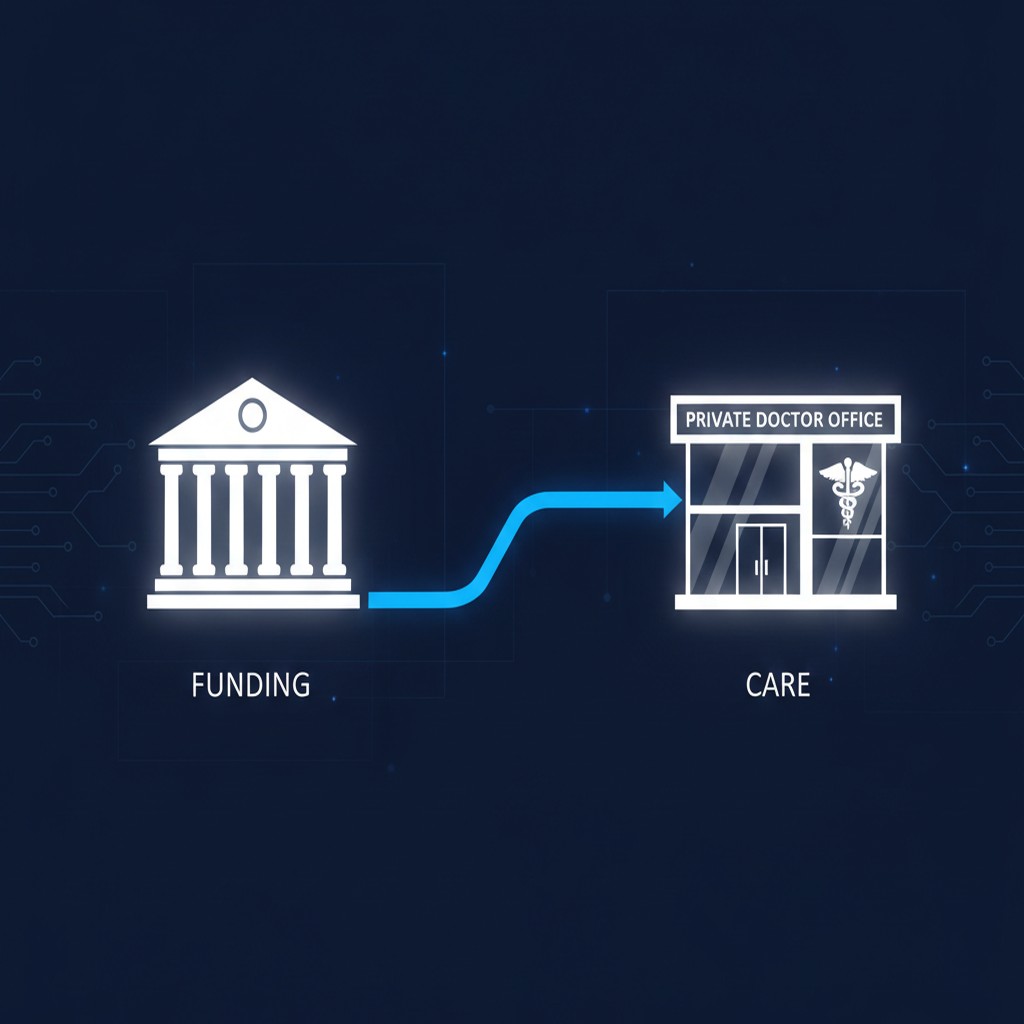
SAFEC+ is government financing with regulated plans, not government medicine. The SAFEC+ Trust Fund finances essential care through a single national funding stream. Certified public and private plans administer coverage under one rulebook and one national price schedule. Doctors and hospitals stay private. Payment floors and rural stability tools protect access, and members keep freedom to choose participating providers.

Not Enough Doctors
They say demand will rise and there are not enough doctors.
Provider shortages are a workforce pipeline problem. SAFEC+ tackles the pipeline by supporting tuition affordability for participating programs, funding service-linked scholarships and grants, and offering structured loan relief for existing clinicians. It also supports training capacity so schools and residency pipelines expand rather than choke.
Will It Pay for Itself
They say it is a gamble on savings and will end in permanent deficits.
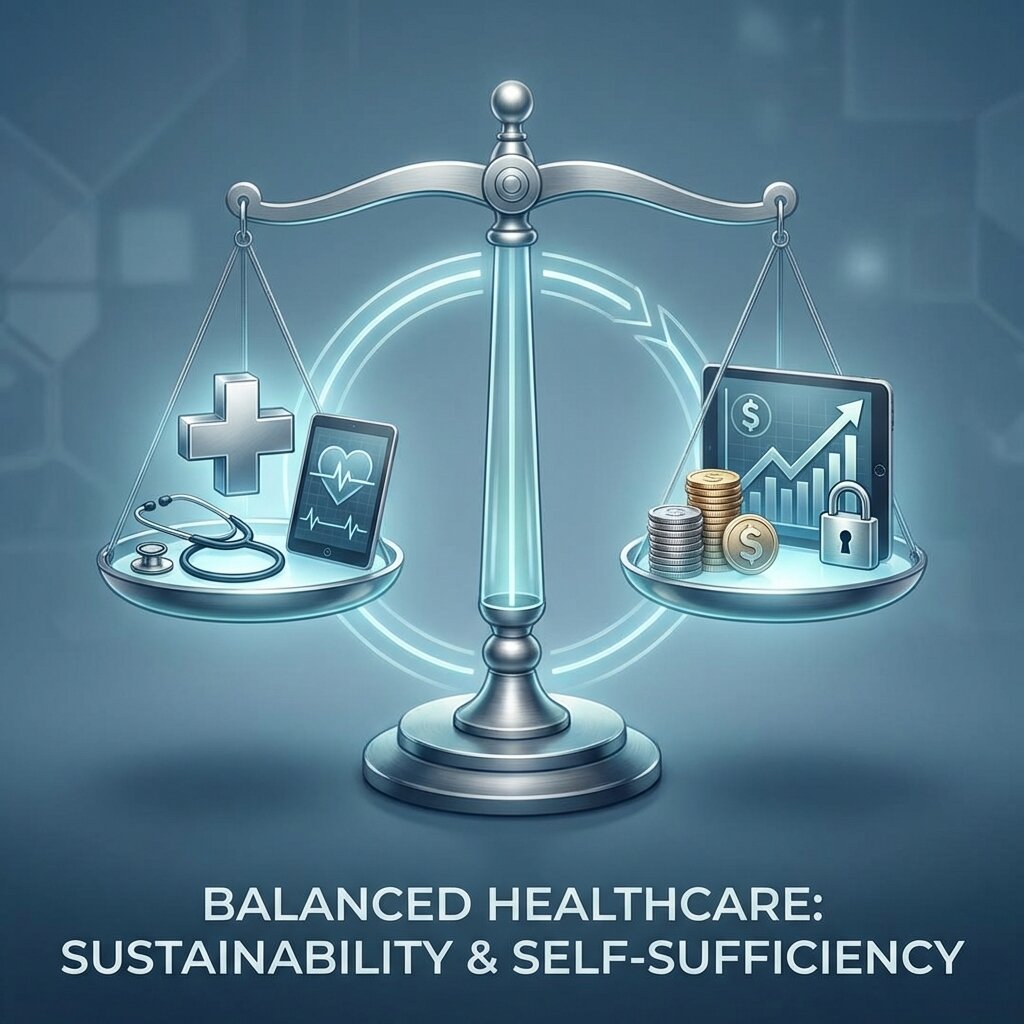
SAFEC+ is built with a financial governor. The Trust Fund must hold a 5% to 10% reserve. If the reserve drifts, rates adjust in small published steps. The bill also limits and phases down reliance on general funds over time, so the system moves toward dedicated funding instead of living on open-ended transfers.

AI Will Deny Your Care
They claim the Plan will use AI to auto-deny claims and ration treatment.
SAFEC+ uses advanced analytics to find fraud patterns and reduce waste, not to replace clinical judgment. Adverse actions require human review, and providers and members keep clear appeal rights. The goal is to starve scams and paperwork, not to block medically necessary care.