

The National Blueprint
The Secure Affordable Federal Essential Care Act Plus represents a fundamental shift in how we value health.
1. Overview
SAFEC+ is a single national health floor for every legal resident. It replaces the current maze of Medicare, Medicaid, employer plans and separate systems with one essential package that follows the person, not the job. The goal is simple. No legal resident is denied essential care. No one is bankrupted by illness. We stop punishing doctors and nurses for the education debt the old system forced on them. Under the hood, SAFEC+ uses a single national funding stream for essential care, multiple certified public and private plans, one all-payer national rate schedule, and a single mandatory claims clearinghouse.

2. Purpose and Core Principles
SAFEC+ is designed to replace the patchwork of federal and private systems with one coherent national structure. It is built on a few hard rules. Every legal resident gets essential care. Coverage does not depend on employment, marriage or state of residence. People are not ruined financially for needing treatment. Clinicians are not punished for their education debt. Veterans keep real priority. Illegal aliens get strictly limited but humane protection for emergencies and contagious disease. Fraud and waste are cut before care.

3. Who is Covered and What is Guaranteed
Everyone who is a legal resident of the United States is a SAFEC+ member. Membership is automatic. It follows the person, not the job or the zip code. SAFEC+ covers a defined list of essential services, including primary care, emergencies, hospital care, pregnancy, pediatrics, mental health and medically necessary medicines. Private insurance can still exist, but only as a supplement for extras above this floor.

4. How SAFEC+ is Funded
SAFEC+ replaces premiums, deductibles, and surprise bills with a simple, dedicated funding stream. Employers pay an 8.0 percent payroll contribution into the SAFEC+ Trust Fund. Individuals pay a 3.5 percent base contribution on personal Modified Adjusted Gross Income, determined per person, not by household. For most workers, it is collected automatically through wage withholding and then reconciled on the annual tax return. Other income is handled through estimated payments and annual reconciliation. Self-employed individuals pay 11.5 percent on net earnings from self-employment in lieu of the wage rate on that income. A personal high-income surtax applies at 1.0 percent above 100,000 dollars, an additional 1.5 percent above 250,000 dollars, and an additional 2.0 percent above 500,000 dollars. Social Security (title II and tier 1 railroad) benefits, VA-administered veterans benefits, and up to 100,000 dollars of retirement distributions are excluded from the contribution base, and the 199A qualified business income deduction is preserved. The Medicare Hospital Insurance payroll tax is replaced for covered income, and the Net Investment Income Tax is repealed on the main implementation date, so investment income is not double-charged.

5. What Happens to Existing Programs
SAFEC+ does not sit next to the current tangle of programs. It absorbs their essential functions and replaces them as the basic floor. Medicare, Medicaid, CHIP, ACA subsidies and core VA medical care are folded into SAFEC+ in stages. Seniors and veterans keep extra protections and benefits on top. Employers stop buying primary coverage and instead pay payroll contributions while workers keep their SAFEC+ membership through every job change.

6. Protection From Medical Debt
SAFEC+ uses two tools against medical debt. First, it bans surprise billing for essential services and caps what any member can be asked to pay each year through the copay cap. Second, it creates a Medical Debt Redemption Facility that buys existing medical debt portfolios at deep discounts and cancels them, with a focus on low and middle income households. The goal is to stop new debt traps and to clean up the legacy mess.

7. Medical Education and Workforce Reform
SAFEC+ treats health professional training as national infrastructure. Tuition for core medical and nursing programs is capped for any school that wants federal participation and funding. New students can receive grants tied to service in high need areas and specialties. Existing clinicians can qualify for structured loan forgiveness for each year they work in SAFEC+ priority roles.

8. Veterans in SAFEC+
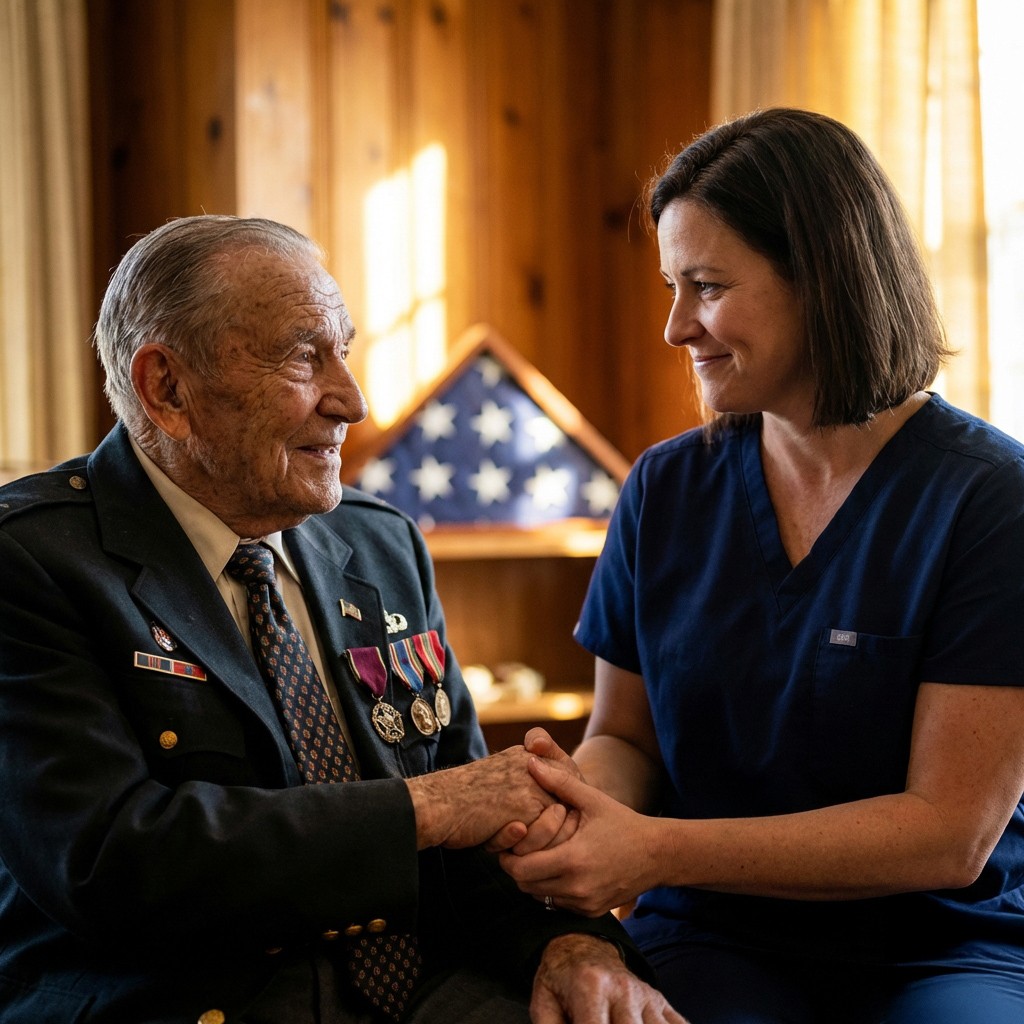
Veterans become full SAFEC+ members. They can receive essential care from any SAFEC+ provider. On top of that, they receive a Veterans Upgrade Package with very low cost sharing and priority access to specialized services like rehab, prosthetics and mental health. VA facilities stay open as SAFEC+ providers with extra funding focused on veteran needs.
9. Visitors, Illegal Aliens and Unpaid Bills
SAFEC+ draws a hard line between legal residents and non members. Legal residents are in the main SAFEC+ pool with automatic enrollment. Illegal aliens are not System members, but providers must furnish emergency stabilizing care, essential maternity and newborn care, and diagnosis and treatment of serious contagious diseases. SAFEC+ also covers limited public health primary care for communicable disease prevention, including screening and vaccination, because outbreaks do not check visas.
10. Fraud Prevention and Integrity
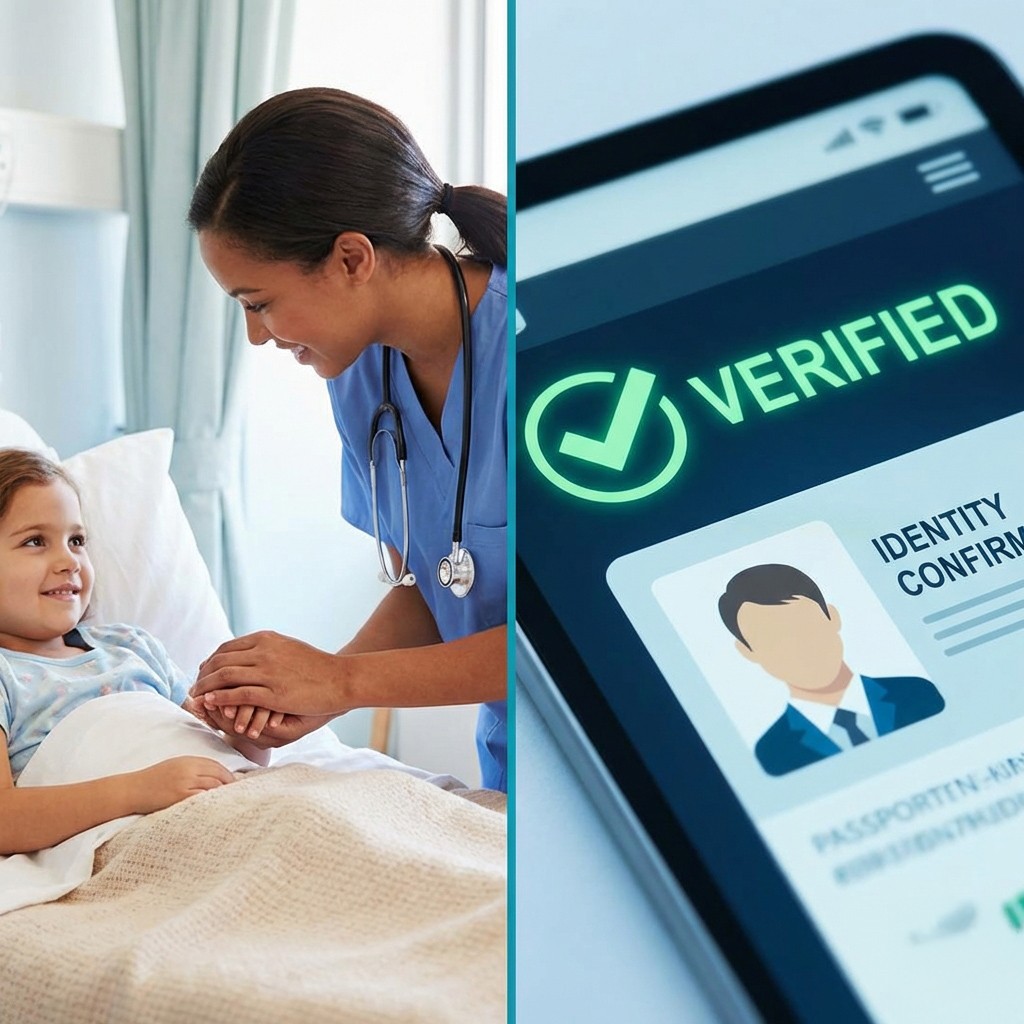
SAFEC+ runs essential care claims through one national platform with unified identifiers, standardized billing, and real time analytics. Large scale fraud against the System is treated as a federal felony with prison exposure and asset seizure. The goal is to cut scams, not services.

11. Public Health and Prevention
SAFEC+ spends directly on prevention that keeps people out of hospitals and prisons later. Vaccinations, smoking reduction, obesity and diabetes programs, early mental health and addiction care. The system treats these as investments in national capacity, not optional side projects.

12. Governance and Transition
SAFEC+ is administered at the federal level with independent oversight. States help monitor access and support implementation, but the country does not run fifty separate eligibility systems for basic coverage. The rollout happens in phases and is tied to readiness certification of core enrollment and claims systems.